The challenge with acne-prone skin lies in its unique characteristics: often oily, prone to clogged pores, inflammation, and bacterial overgrowth. Without a targeted strategy, individuals may inadvertently exacerbate their condition through incorrect product choices or inconsistent routines. This guide aims to demystify acne care, providing a professional, step-by-step regimen designed for clarity and confidence.
This comprehensive guide will walk you through the essential steps, from daily cleansing to lifestyle adjustments, ensuring you have the knowledge and tools to effectively manage and improve your acne-prone skin. We’ll address common misconceptions and provide practical advice that can be seamlessly integrated into your daily life.
Before diving into the daily regimen, it’s helpful to gather a few fundamental tools and products. Opting for non-comedogenic formulas (products that won’t clog pores) is crucial for every item you introduce to your skincare routine. Always check product labels for this designation.
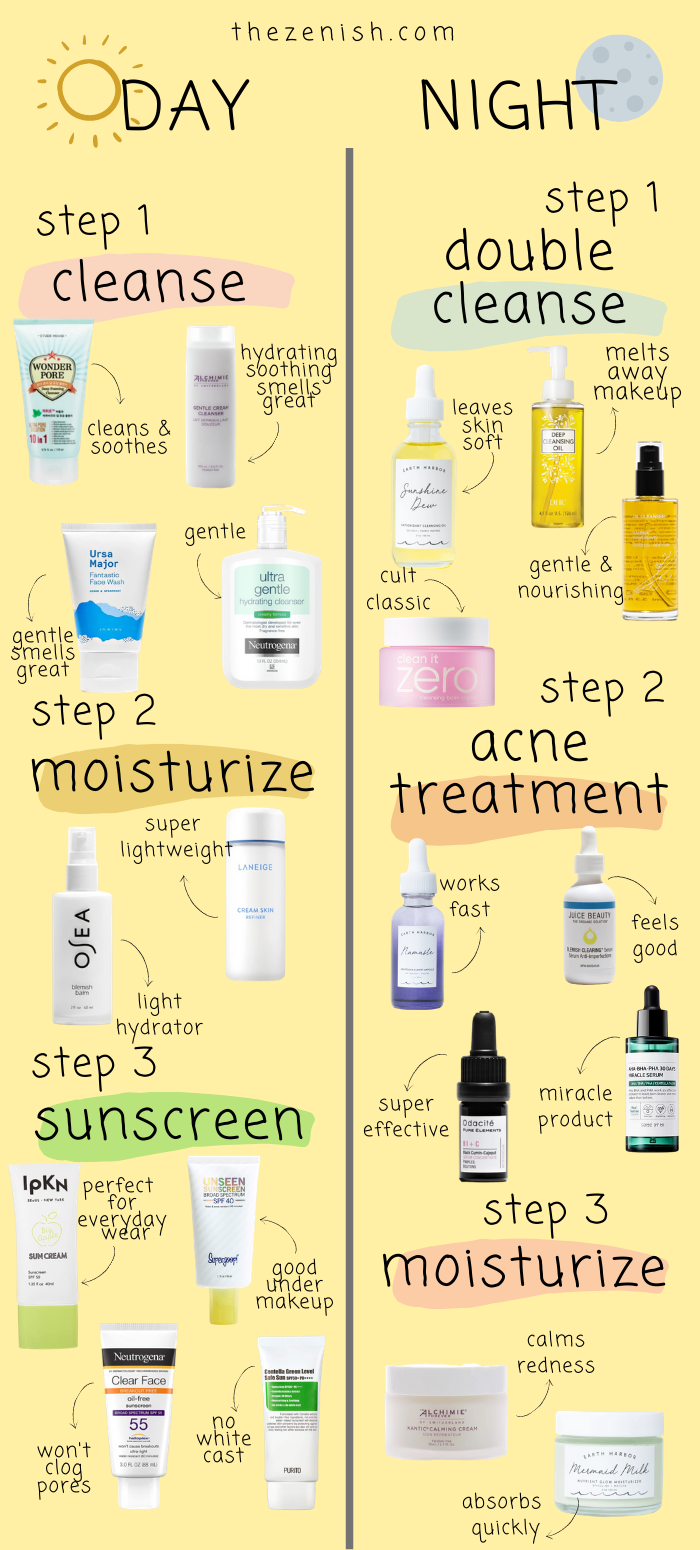
- Gentle Cleanser: A mild, sulfate-free cleanser suitable for sensitive or acne-prone skin.
- Targeted Acne Treatment: Products containing active ingredients like salicylic acid, benzoyl peroxide, or retinoids.
- Non-Comedogenic Moisturizer: A lightweight, oil-free moisturizer that hydrates without clogging pores.
- Broad-Spectrum Sunscreen: SPF 30 or higher, also non-comedogenic, to protect against UV damage and prevent post-inflammatory hyperpigmentation.
- Clean Towels: Fresh, soft towels for patting your face dry.
- Patience and Consistency: The most invaluable tools in your acne-fighting arsenal. Results take time.
Let’s begin with the foundational steps for nurturing your acne-prone skin.
Step 1: Gentle Cleansing (Twice Daily)
Cleansing is the cornerstone of any effective skincare routine, especially for acne-prone skin. Its purpose is to remove dirt, oil, makeup, and impurities without stripping the skin of its natural moisture barrier. Over-cleansing or using harsh cleansers can irritate the skin, leading to increased oil production and potential breakouts.
How to Execute: Use lukewarm water, not hot, as hot water can strip natural oils. Apply a small amount of your gentle cleanser to your fingertips and massage it onto your face in gentle, circular motions for about 30-60 seconds. Focus on areas prone to congestion, like the T-zone. Rinse thoroughly until all cleanser is removed, then gently pat your face dry with a clean, soft towel. Perform this ritual morning and night.
Step 2: Apply Targeted Acne Treatment
After cleansing, your skin is primed to receive active ingredients. This step is where you address existing breakouts and prevent new ones. Common active ingredients include Salicylic Acid, Benzoyl Peroxide, and Retinoids (like adapalene).
Salicylic Acid (BHA): This beta-hydroxy acid is oil-soluble, allowing it to penetrate into pores to exfoliate from within, dissolving sebum and dead skin cells. It’s excellent for blackheads and whiteheads.
Benzoyl Peroxide: An antibacterial agent that targets P. acnes bacteria, a primary contributor to inflammatory acne. It also helps to shed dead skin cells. Start with a lower concentration (2.5% or 5%) to minimize irritation.
Retinoids (e.g., Adapalene): These vitamin A derivatives help to normalize cell turnover, preventing clogged pores and reducing inflammation. They are highly effective but can cause initial dryness and sensitivity, so introduce them slowly.
How to Execute: Apply a thin layer of your chosen treatment to affected areas, or your entire face if prescribed by a dermatologist. Allow it to fully absorb for a few minutes before proceeding to the next step. If using a retinoid, it’s typically applied at night.
Step 3: Hydrate with a Non-Comedogenic Moisturizer
A common misconception is that oily or acne-prone skin doesn’t need moisturizer. This couldn’t be further from the truth. Skipping moisturizer can actually trigger your skin to produce more oil to compensate for dryness, leading to further breakouts. Moreover, acne treatments can be drying, making moisturizer essential for maintaining skin barrier health.
How to Execute: Choose a lightweight, oil-free, non-comedogenic moisturizer. Apply a pea-sized amount evenly over your face and neck after your treatment has absorbed. This locks in moisture and supports the skin’s natural barrier function.
Step 4: Don’t Skip Sun Protection (Daily)
Sunscreen is non-negotiable for acne-prone skin. UV exposure can worsen inflammation, lead to increased redness, and significantly darken post-inflammatory hyperpigmentation (PIH), making acne marks more prominent and longer-lasting. Many acne treatments also increase sun sensitivity.
How to Execute: Every morning, as the final step in your routine, apply a broad-spectrum sunscreen with an SPF of 30 or higher. Look for formulas labeled ‘non-comedogenic’ or ‘oil-free’ to prevent pore clogging. Reapply every two hours if exposed to direct sunlight or sweating.
Step 5: Consider Weekly Gentle Exfoliation (Optional, with Caution)
While daily treatments often provide exfoliation, an additional gentle exfoliation once or twice a week can further help to remove dead skin cells and prevent clogged pores. However, this step requires careful consideration to avoid over-exfoliation.
How to Execute: Opt for chemical exfoliants like alpha-hydroxy acids (AHAs) such as glycolic or lactic acid, which work on the skin’s surface, or a very mild physical exfoliant designed for sensitive skin. Apply after cleansing, and follow with moisturizer. Avoid this step if your skin is already irritated or if you are using strong retinoids or benzoyl peroxide daily.
Step 6: Spot Treatments (As Needed)
For sudden, isolated breakouts, a targeted spot treatment can be a lifesaver. These are typically higher concentrations of active ingredients applied directly to the blemish.
How to Execute: Apply a small dab of a spot treatment (e.g., salicylic acid gel, benzoyl peroxide cream, or hydrocolloid patch) directly onto the pimple. Use sparingly to avoid drying out the surrounding skin. Hydrocolloid patches are excellent for drawing out impurities and protecting the blemish from picking.
Step 7: Embrace Lifestyle Adjustments for Holistic Skin Health
Skincare isn’t just about what you put on your skin; it’s also about what you put into your body and how you live your life. Holistic approaches can significantly complement your topical regimen.
Diet and Hydration: While direct links are debated, some individuals find that reducing dairy, high-glycemic foods, and processed sugars can improve their skin. Staying well-hydrated is universally beneficial for overall skin health.
Stress Management: Stress can trigger hormonal fluctuations that exacerbate acne. Incorporate stress-reducing activities like meditation, yoga, regular exercise, or hobbies into your routine.
Adequate Sleep: Your body repairs itself during sleep. Aim for 7-9 hours of quality sleep per night to support skin regeneration and reduce inflammation.
Hygiene Practices: Regularly change pillowcases (at least twice a week), clean your phone screen, avoid touching your face excessively, and clean makeup brushes frequently. These small habits prevent the transfer of bacteria and oils to your skin.
Step 8: Practice Patience and Consistency
Acne treatment is a marathon, not a sprint. It takes time for skin cells to turn over and for treatments to show their full effect. Expect to wait at least 4-6 weeks to see noticeable improvements, and often longer for significant changes. Consistency is key; skipping steps or using products erratically will hinder progress.
Step 9: When to Seek Professional Help from a Dermatologist
If your acne is severe, painful, persistent, leading to scarring, or simply not responding to over-the-counter treatments after several weeks, it’s time to consult a board-certified dermatologist. They can offer prescription-strength medications, in-office treatments (like chemical peels, extractions, or laser therapy), and personalized advice tailored to your specific skin needs.
Even if your acne is mild, a dermatologist can provide valuable insights and help optimize your routine.
Even with the best intentions, certain practices can undermine your efforts to achieve clearer skin. Being aware of these common pitfalls can help you avoid setbacks.
1. Over-Cleansing and Harsh Scrubbing: As mentioned, aggressive cleansing strips the skin, leading to irritation and potentially more oil production. Avoid abrasive physical scrubs, especially if you have active breakouts.
2. Picking or Popping Pimples: This is perhaps the most damaging habit. Picking introduces more bacteria, pushes infection deeper, and significantly increases the risk of scarring and post-inflammatory hyperpigmentation. Leave extractions to professionals.
3. Using Too Many Products Simultaneously: ‘More is more’ does not apply to acne care. Overloading your skin with multiple active ingredients can lead to irritation, redness, and a compromised skin barrier. Introduce one new product at a time and observe your skin’s reaction.
4. Skipping Moisturizer: Fear of feeling oily often leads people with acne-prone skin to forgo moisturizer. This is counterproductive, as it can dehydrate the skin and disrupt its barrier, potentially worsening breakouts.
5. Neglecting Sunscreen: This oversight can prolong the visibility of acne marks and increase the risk of sun damage, which can prematurely age the skin and exacerbate existing conditions.
6. Expecting Instant Results: Impatience is a major pitfall. Skincare takes time. Sticking to a consistent routine for several weeks, even months, is crucial before evaluating its effectiveness.
Caring for acne-prone skin is a journey that demands understanding, dedication, and patience. By adopting a gentle yet effective skincare routine, incorporating targeted treatments, and making thoughtful lifestyle choices, you can significantly improve your skin’s health and appearance.
Remember, every individual’s skin is unique, and what works for one may not work for another. Be attentive to how your skin responds to products and adjust your routine accordingly. With consistency and the right approach, clearer, healthier, and more confident skin is well within your reach. Embrace this guide as your roadmap to a brighter complexion.