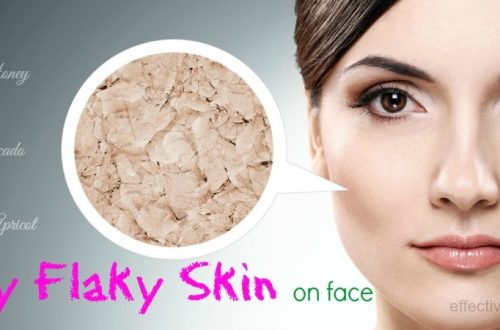

This guide is designed to empower you with the knowledge and practical steps needed to transform your skin from parched to perfectly hydrated. We’ll demystify the science behind dry skin and provide a clear, actionable roadmap to achieving lasting comfort and a healthy glow. By understanding the root causes and implementing a consistent, gentle routine, you can solve the pervasive problem of dry skin, improving both your skin’s health and your overall well-being.
Tackling dry skin isn’t just about temporary relief; it’s about building a sustainable skincare regimen that nurtures your skin’s natural barrier. This commitment will not only alleviate immediate discomfort but also protect your skin from environmental aggressors and maintain its youthful resilience over time. Let’s embark on this journey to healthier, happier skin together!
Before diving into the steps, let’s gather the essential tools and understand the prerequisites for success. Having these items on hand will make your journey much smoother and more effective.
- Gentle, Hydrating Cleanser: Look for formulas that are sulfate-free, fragrance-free, and specifically designed for dry or sensitive skin. Cream or oil-based cleansers are often ideal.
- Rich, Emollient Moisturizer: This is your primary weapon. Seek out creams or ointments containing ingredients like ceramides, hyaluronic acid, glycerin, shea butter, or petrolatum.
- Broad-Spectrum Sunscreen (SPF 30+): Essential for daily protection, even on cloudy days. Many moisturizers now include SPF, offering a convenient two-in-one solution.
- Soft Towel: For gently patting your skin dry, avoiding harsh rubbing.
- Lukewarm Water: For cleansing and bathing, as hot water can strip natural oils.
- Optional but Recommended: A humidifier for your home, especially during dry seasons or if you live in an arid climate.
- Patience and Consistency: Skincare is a marathon, not a sprint. Visible improvements take time and diligent effort.
Now, let’s get into the step-by-step guide to nurturing your dry skin back to health.
Step 1: Understand Your Dry Skin and Its Triggers
Before you can treat dry skin effectively, it’s crucial to understand what causes it. Dry skin, or xerosis, occurs when your skin lacks sufficient moisture in its outermost layer, the stratum corneum. This can be due to a compromised skin barrier that struggles to retain water and lipids.
Common triggers include environmental factors like cold weather, low humidity, and harsh winds. Lifestyle choices such as long, hot showers, using harsh soaps, or even certain medications can also strip your skin of its natural oils. Genetic predisposition plays a role, and conditions like eczema or psoriasis often manifest with severe dryness.
Take a moment to observe your skin and consider your daily habits. Are you exposed to dry air frequently? Do you use foaming cleansers? Identifying your personal triggers will help you tailor your routine and avoid practices that exacerbate dryness.
Step 2: Embrace Gentle Cleansing Habits
Your cleansing routine is fundamental. Many common cleansers contain harsh surfactants (like sulfates) that strip away the skin’s natural protective oils, leaving it feeling tight and drier than before. The goal is to clean without dehydrating.
Opt for a creamy, oil-based, or balm cleanser. These types of cleansers effectively remove impurities and makeup without disturbing your skin’s delicate moisture barrier. Look for labels that say ‘hydrating,’ ‘gentle,’ ‘for dry skin,’ or ‘soap-free.’
When cleansing, use lukewarm water – never hot. Gently massage the cleanser into your skin with your fingertips for about 30-60 seconds, then rinse thoroughly. Pat your skin dry with a soft towel, leaving it slightly damp. This slight dampness is key for the next step.
Step 3: Master the Art of Immediate and Consistent Moisturizing
This is arguably the most critical step for dry skin. Moisturizing immediately after cleansing, while your skin is still slightly damp, helps to lock in that residual moisture. Waiting too long allows water to evaporate, taking some of your skin’s natural moisture with it.
Choose a rich, emollient moisturizer, ideally a cream or ointment rather than a lotion. Lotions tend to have a higher water content and less occlusive ingredients, making them less effective for very dry skin. Look for a product rich in humectants (like hyaluronic acid, glycerin) that draw moisture into the skin, emollients (like ceramides, fatty acids, cholesterol) that smooth and soften, and occlusives (like petrolatum, shea butter, dimethicone) that form a protective barrier to prevent water loss.
Apply a generous amount to your face and body. Don’t forget areas prone to dryness like elbows, knees, and hands. Make this a twice-daily ritual: once in the morning after cleansing and again in the evening before bed.
Step 4: Incorporate Hydrating Serums and Treatments
For an extra boost of hydration, consider adding a serum formulated for dry skin. Serums deliver a concentrated dose of active ingredients deeper into the skin. A hyaluronic acid serum is an excellent choice, as it can hold up to 1000 times its weight in water, plumping the skin and improving hydration.
Apply your serum after cleansing and before your moisturizer. Other beneficial ingredients to look for in serums or treatments include niacinamide (Vitamin B3) to improve skin barrier function, and ceramides, which are lipid molecules vital for healthy skin barrier integrity.
Step 5: Protect Your Skin with Daily Sunscreen
Sun protection is non-negotiable, especially for dry and sensitive skin. UV radiation can further damage the skin barrier, leading to increased dryness, irritation, and premature aging. Even on cloudy days or when indoors near windows, your skin is exposed.
Select a broad-spectrum sunscreen with an SPF of 30 or higher. Many sunscreens now offer hydrating formulas that feel comfortable on dry skin. Apply it as the last step in your morning skincare routine, after your moisturizer.
Step 6: Optimize Your Bathing Habits
While showers and baths can feel relaxing, improper habits can severely exacerbate dry skin. Avoid long, hot showers or baths. The heat strips your skin of its natural oils, leading to increased dryness.
Instead, opt for short (5-10 minute) showers or baths using lukewarm water. Use a gentle, hydrating body wash, avoiding harsh soaps. As soon as you step out, gently pat your skin almost dry with a soft towel, leaving it slightly damp. Immediately follow with a generous application of your rich body moisturizer to lock in the moisture.
Step 7: Hydrate from Within: Drink Plenty of Water
While topical hydration is paramount, internal hydration plays a supportive role. Ensuring you drink an adequate amount of water throughout the day helps support overall body functions, including skin health. Aim for at least 8 glasses of water daily.
Step 8: Consider Your Environment
Your home environment can significantly impact your skin’s hydration levels. During colder months or in naturally dry climates, indoor heating or air conditioning can drastically reduce humidity, drawing moisture from your skin.
Using a humidifier in your bedroom or living space can help add moisture back into the air, creating a more skin-friendly environment. Also, protect your skin from harsh winds and cold temperatures by wearing scarves and gloves when outdoors.
Step 9: Gentle Exfoliation (When Appropriate)
While it might seem counterintuitive for dry skin, gentle exfoliation can be beneficial. Dry skin often accumulates a layer of dead skin cells, which can prevent moisturizers from penetrating effectively. However, caution is key.
Avoid harsh physical scrubs. Instead, consider a very mild chemical exfoliant, such as a low concentration AHA (e.g., lactic acid) serum or toner, used sparingly (once or twice a week at most). This helps to gently dissolve dead skin cells, revealing smoother skin and allowing your hydrating products to work better.
Step 10: Patch Test New Products
Whenever introducing a new product into your routine, especially if you have sensitive or reactive dry skin, perform a patch test. Apply a small amount of the product to an inconspicuous area, like behind your ear or on your inner forearm, and wait 24-48 hours to check for any adverse reactions like redness, itching, or irritation.
Common Pitfalls to Avoid
- Using Harsh Products: Steer clear of alcohol-based toners, foaming cleansers with sulfates, and strong fragrances.
- Over-Exfoliation: Too much exfoliation, especially with physical scrubs, can damage your skin barrier and worsen dryness.
- Hot Showers/Baths: As mentioned, excessive heat strips natural oils.
- Not Moisturizing Immediately: Delaying moisturizer application after cleansing allows moisture to escape.
- Ignoring Sunscreen: UV damage compromises the skin barrier and exacerbates dryness.
- Expecting Instant Results: Skin takes time to heal and adapt. Consistency is more important than intensity.
- Allergic Reactions: Be aware that some ‘gentle’ products might still contain an ingredient you’re sensitive to.
Conclusion: Embrace Your Journey to Hydrated Skin
Embarking on a journey to conquer dry skin requires patience, consistency, and a commitment to gentle care. By following these steps, you’re not just treating a symptom; you’re nurturing your skin’s natural ability to protect and hydrate itself. Remember, every skin type is unique, and what works perfectly for one person might need slight adjustments for another. Listen to your skin and observe how it responds.
Don’t be discouraged if you don’t see immediate results; significant improvements often take several weeks of consistent effort. Celebrate the small victories – a reduction in tightness, less flakiness, or simply a more comfortable feeling. With dedication, you can transform your dry skin into a supple, healthy, and radiant complexion.
If you find that despite your best efforts, your dry skin persists or worsens, don’t hesitate to consult a dermatologist. They can offer personalized advice, identify underlying conditions, and recommend prescription-strength treatments if necessary. You’ve taken the first crucial step by educating yourself – now go forth and enjoy the comfort of well-hydrated skin!