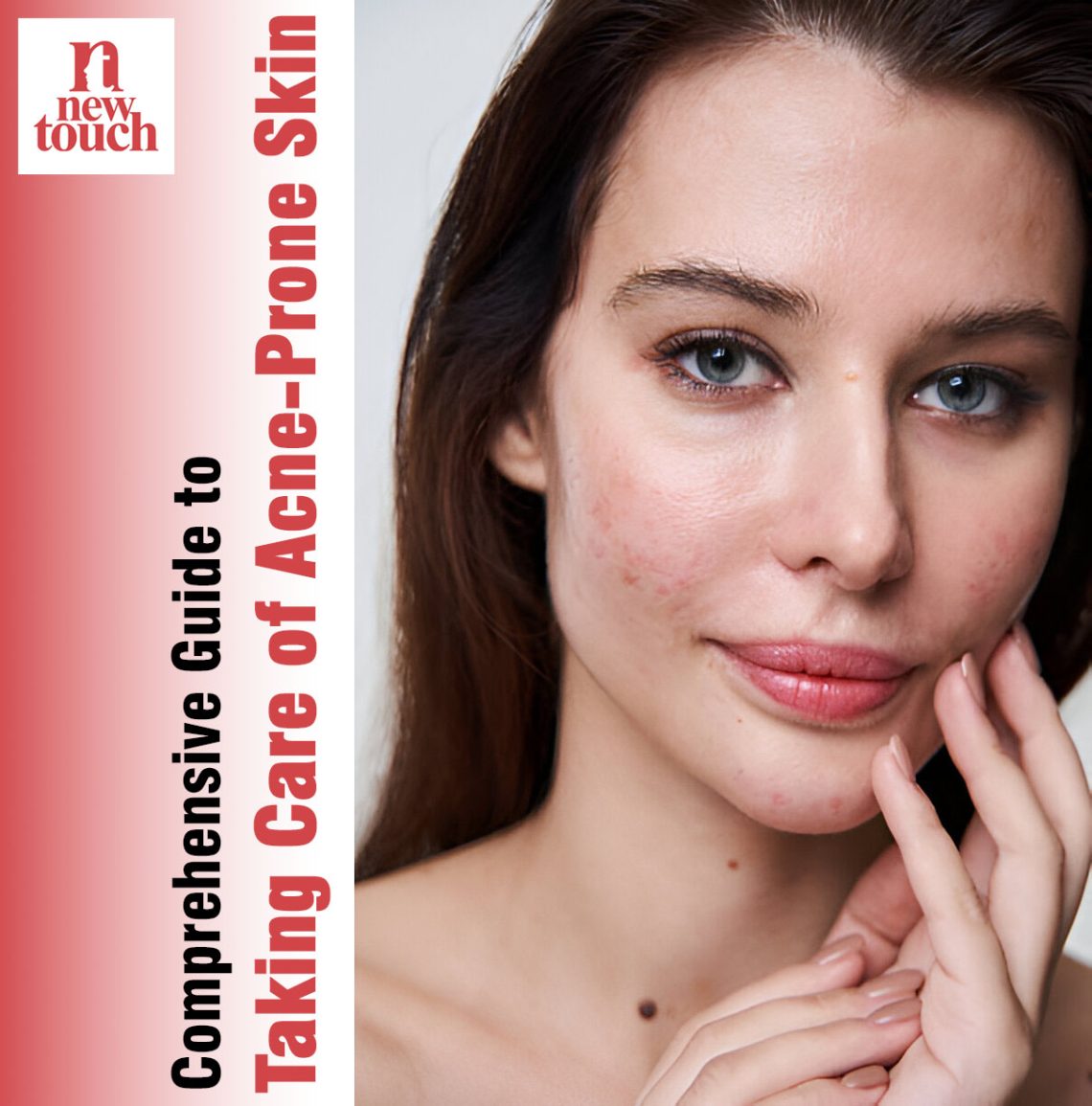
Many people experience frustration and a loss of confidence due to acne. This guide provides a structured and informed approach to help regain control over your skin’s health, reducing breakouts and improving overall skin appearance. By following these steps, you can minimize the impact of acne on your daily life and boost your self-esteem.
Before diving into the treatment process, it’s crucial to gather the right tools and products. These are essential for creating a consistent and effective skincare routine. Remember to introduce new products gradually to monitor your skin’s reaction and avoid potential irritation.
- Gentle Cleanser: Choose a cleanser specifically formulated for sensitive or acne-prone skin. Look for ingredients like salicylic acid or benzoyl peroxide in low concentrations.
- Exfoliant: A gentle chemical exfoliant (AHA/BHA) to remove dead skin cells.
- Acne Treatment: Containing benzoyl peroxide, salicylic acid, or retinoids.
- Non-Comedogenic Moisturizer: A lightweight, oil-free moisturizer to hydrate the skin without clogging pores.
- Sunscreen: A broad-spectrum sunscreen with SPF 30 or higher, labeled as non-comedogenic and oil-free.
- Spot Treatment: For targeting individual blemishes (optional).
- Clean Towels: Soft, clean towels for patting your face dry.
- Patience and Consistency: Managing acne-prone skin takes time and dedication.
Step 1: Gentle Cleansing (Twice Daily)
Start your skincare routine by gently cleansing your face twice a day, once in the morning and once at night. Use lukewarm water and a small amount of your chosen gentle cleanser. Massage the cleanser onto your face in circular motions for about 30-60 seconds, paying attention to areas prone to breakouts. Rinse thoroughly with lukewarm water and pat your face dry with a clean, soft towel. Avoid rubbing your skin, as this can cause irritation and inflammation.
Step 2: Exfoliate (1-3 Times Per Week)
Exfoliation helps remove dead skin cells that can clog pores and contribute to acne. Use a gentle chemical exfoliant containing AHAs (alpha-hydroxy acids) or BHAs (beta-hydroxy acids) like salicylic acid. Apply the exfoliant after cleansing, following the product’s instructions. Start with exfoliating once a week and gradually increase the frequency to 2-3 times per week as tolerated. Avoid over-exfoliating, as this can irritate the skin.
Step 3: Apply Acne Treatment
After cleansing and exfoliating, apply your chosen acne treatment to the affected areas. If you’re using benzoyl peroxide, start with a low concentration (2.5%) and gradually increase if needed. For salicylic acid, a concentration of 0.5-2% is generally effective. If you’re using a retinoid, apply it at night and start with a small amount, gradually increasing the frequency as tolerated. Always follow the product’s instructions and avoid applying acne treatments to areas that are not affected by acne.
Step 4: Moisturize (Twice Daily)
Even acne-prone skin needs hydration. Apply a non-comedogenic, oil-free moisturizer after applying your acne treatment. This will help keep your skin hydrated and prevent it from overproducing oil, which can worsen acne. Look for moisturizers containing ingredients like hyaluronic acid or glycerin, which attract moisture to the skin.
Step 5: Sunscreen (Every Morning)
Sunscreen is crucial for protecting your skin from sun damage, which can worsen acne and cause hyperpigmentation (dark spots). Apply a broad-spectrum sunscreen with SPF 30 or higher every morning, even on cloudy days. Choose a sunscreen that is labeled as non-comedogenic and oil-free to avoid clogging pores. Reapply sunscreen every two hours, especially if you’re sweating or swimming.
Step 6: Spot Treatment (As Needed)
For individual blemishes, use a spot treatment containing benzoyl peroxide or salicylic acid. Apply a small amount of the spot treatment directly to the blemish and avoid applying it to the surrounding skin. Use spot treatments sparingly, as they can be drying.
Step 7: Maintain a Consistent Routine
Consistency is key to managing acne-prone skin. Stick to your skincare routine every day, even when your skin is clear. This will help prevent future breakouts and keep your skin healthy.
Step 8: Avoid Touching Your Face
Touching your face can transfer bacteria and oil to your skin, which can clog pores and lead to breakouts. Be mindful of your hands and avoid touching your face as much as possible.
Step 9: Change Your Pillowcase Regularly
Your pillowcase can accumulate oil, dirt, and bacteria, which can transfer to your skin while you sleep. Change your pillowcase every 2-3 days to keep your skin clean.
Step 10: Manage Stress
Stress can trigger acne breakouts. Find healthy ways to manage stress, such as exercise, yoga, or meditation.
Over-Exfoliating: Exfoliating too often or using harsh exfoliants can irritate the skin and worsen acne. Stick to gentle exfoliants and exfoliate 1-3 times per week.
Picking or Squeezing Pimples: Picking or squeezing pimples can lead to inflammation, scarring, and infection. Resist the urge to pick or squeeze and allow the pimples to heal on their own.
Using Comedogenic Products: Comedogenic products contain ingredients that can clog pores and worsen acne. Choose non-comedogenic products that are specifically formulated for acne-prone skin.
Not Being Patient: It takes time to see results from acne treatments. Be patient and consistent with your skincare routine, and don’t get discouraged if you don’t see results immediately.
Skipping Sunscreen: Sunscreen is essential for protecting your skin from sun damage, which can worsen acne and cause hyperpigmentation. Don’t skip sunscreen, even on cloudy days.
Ignoring Underlying Issues: Sometimes, acne can be a symptom of an underlying hormonal imbalance or other medical condition. If your acne is severe or persistent, consult a dermatologist to rule out any underlying issues.
Managing acne-prone skin requires a consistent and comprehensive approach. By following these steps and avoiding common pitfalls, you can take control of your skin’s health and achieve a clearer, healthier complexion. Don’t be afraid to experiment with different products and techniques to find what works best for you. Remember, consistency and patience are key. Start your journey to clearer skin today!
Remember to consult with a dermatologist or skincare professional for personalized advice and treatment options tailored to your specific skin type and acne severity.