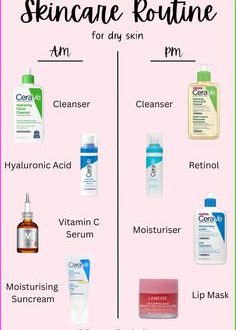
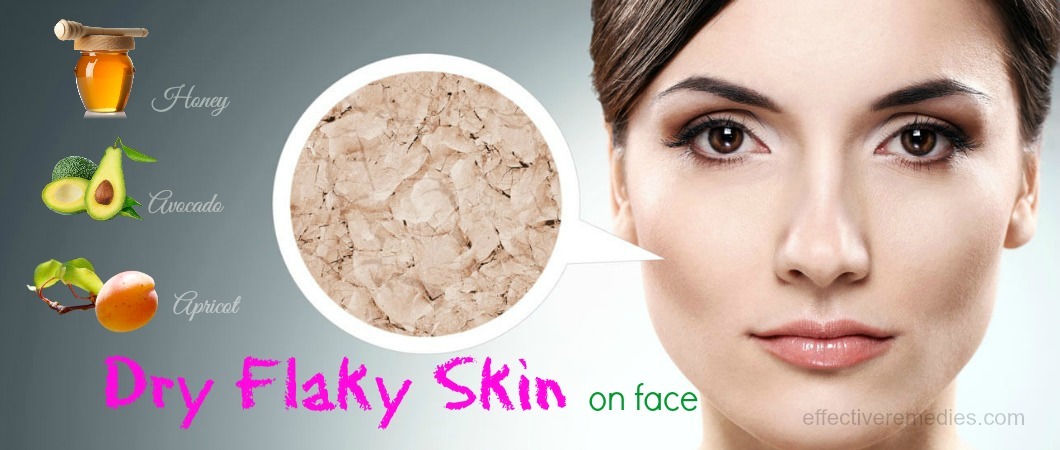
Before diving into the steps, let’s gather the essentials. Having the right tools and products will make your journey to hydrated skin much smoother.
- Gentle, fragrance-free cleanser
- Rich, emollient moisturizer
- Humidifier (optional, but highly recommended)
- Lukewarm water
- Soft towel
- Sunscreen with SPF 30 or higher
- Lip balm
- Gloves (for dishwashing and cold weather)
- Oatmeal (for soothing baths)
Step 1: Choose a Gentle Cleanser
The foundation of any good skincare routine, especially for dry skin, is using a gentle cleanser. Avoid harsh soaps and cleansers that contain sulfates, fragrances, or alcohol. These ingredients can strip your skin of its natural oils, exacerbating dryness. Opt for creamy, hydrating cleansers or cleansing oils that gently remove dirt and impurities without compromising your skin’s moisture barrier. Look for ingredients like ceramides, glycerin, or hyaluronic acid.
Step 2: Wash with Lukewarm Water
Hot water might feel good, but it’s a major culprit in drying out your skin. High temperatures dissolve the natural oils that protect your skin. Always use lukewarm water when washing your face and body. Keep showers short – no more than 5-10 minutes – to minimize water exposure. Consider ending your shower with a cool rinse to help seal the hair cuticles and pores.
Step 3: Pat, Don’t Rub, Dry
After washing, resist the urge to vigorously rub your skin dry with a towel. This can further irritate and dry out your skin. Instead, gently pat your skin dry with a soft towel, leaving a little moisture on your skin. This residual moisture will help your moisturizer absorb more effectively.
Step 4: Moisturize Immediately After Washing
This is perhaps the most crucial step. Apply a generous amount of moisturizer to your damp skin immediately after patting it dry. This helps to trap the moisture and hydrate your skin more effectively. Choose a rich, emollient moisturizer that contains ingredients like shea butter, ceramides, petrolatum, or hyaluronic acid. These ingredients help to create a protective barrier on your skin, preventing moisture loss.
Step 5: Moisturize Frequently Throughout the Day
Don’t just moisturize once a day! Reapply moisturizer throughout the day, especially after washing your hands or being exposed to cold or dry air. Keep a small tube of moisturizer with you so you can easily reapply as needed.
Step 6: Use a Humidifier
Dry air can wreak havoc on your skin. Using a humidifier, especially during the winter months, can add moisture back into the air, helping to hydrate your skin from the inside out. Place a humidifier in your bedroom or any other room where you spend a lot of time. Aim for a humidity level of around 40-60%.
Step 7: Protect Your Skin from the Sun
Sun exposure can further dry out your skin and damage its protective barrier. Always wear sunscreen with an SPF of 30 or higher, even on cloudy days. Choose a sunscreen that is specifically formulated for dry skin and contains moisturizing ingredients. Reapply sunscreen every two hours, or more often if you’re sweating or swimming.
Step 8: Exfoliate Gently
While it might seem counterintuitive, gentle exfoliation can help to remove dead skin cells, allowing your moisturizer to penetrate more effectively. However, be careful not to over-exfoliate, as this can further irritate dry skin. Use a gentle exfoliating scrub or a chemical exfoliant (like lactic acid) once or twice a week. Avoid harsh scrubs or brushes.
Step 9: Wear Protective Clothing
Protect your skin from harsh weather conditions by wearing protective clothing. Wear gloves when washing dishes or spending time outdoors in cold weather. Choose clothing made from soft, breathable fabrics like cotton to avoid irritating your skin.
Step 10: Take Oatmeal Baths
Oatmeal has anti-inflammatory and soothing properties that can help to relieve itching and irritation associated with dry skin. Add colloidal oatmeal to a lukewarm bath and soak for 15-20 minutes. Pat your skin dry and apply moisturizer immediately after bathing.
Step 11: Stay Hydrated
Drinking plenty of water is essential for overall health, including skin health. Aim to drink at least eight glasses of water per day to help keep your skin hydrated from the inside out.
Step 12: Avoid Irritants
Certain fabrics, detergents, and fragrances can irritate dry skin. Avoid wearing wool or synthetic fabrics directly against your skin. Use fragrance-free laundry detergents and avoid products that contain harsh chemicals or fragrances.
Step 13: Use Lip Balm Regularly
Your lips are particularly vulnerable to dryness. Apply lip balm frequently throughout the day, especially before going outside or to sleep. Choose a lip balm that contains moisturizing ingredients like beeswax, shea butter, or cocoa butter.
- Over-exfoliating: Exfoliating too often or too aggressively can damage your skin’s moisture barrier and worsen dryness. Limit exfoliation to once or twice a week and use gentle products.
- Using harsh soaps: Many soaps contain harsh chemicals that strip your skin of its natural oils. Switch to a gentle, fragrance-free cleanser.
- Not moisturizing enough: Moisturizing is crucial for dry skin. Apply moisturizer liberally and frequently throughout the day, especially after washing.
- Ignoring underlying conditions: Sometimes, dry skin can be a symptom of an underlying condition like eczema or psoriasis. If your dry skin doesn’t improve with home remedies, consult a dermatologist.
- Forgetting sunscreen: Sun exposure can worsen dry skin. Always wear sunscreen with an SPF of 30 or higher, even on cloudy days.
Tackling dry skin requires consistency and patience. By following these steps diligently, you can significantly improve your skin’s hydration and overall health. Don’t be discouraged if you don’t see results immediately; it takes time for your skin to heal and rebuild its moisture barrier. Embrace these tips, adapt them to your specific needs, and enjoy the feeling of healthy, hydrated skin!
Don’t let dry skin hold you back. Take charge of your skincare routine and experience the confidence that comes with a healthy, radiant complexion. You’ve got this!