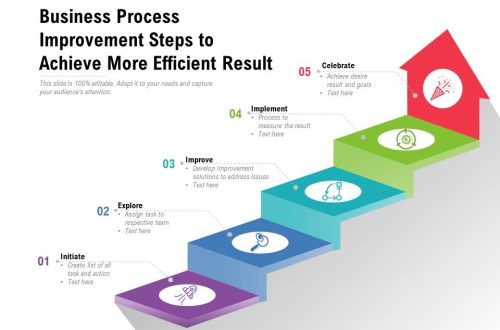

This guide addresses the common problem of feeling disorganized and unproductive. By following a structured approach, you’ll gain control over your time and energy, leading to a more fulfilling and successful life.
- A notebook or digital note-taking app (e.g., Google Keep, Evernote)
- A calendar or scheduling app (e.g., Google Calendar, Outlook Calendar)
- A to-do list app (e.g., Todoist, Any.do) – optional, but highly recommended
- A timer (your phone’s timer function works well)
- A quiet workspace, free from distractions (or ways to minimize distractions)
-
Define Your Goals: Start by identifying your short-term and long-term goals. What do you want to achieve today, this week, this month, and this year? Having clear goals provides direction and motivation. Write these down.
-
Prioritize Tasks: Based on your goals, create a to-do list. Prioritize tasks using methods like the Eisenhower Matrix (urgent/important) or the Pareto Principle (80/20 rule). Focus on the most impactful activities first.
-
Time Blocking: Allocate specific time blocks for each task in your calendar. Be realistic about how long tasks will take. This is a crucial step for effective time management.
-
Morning Routine: Establish a consistent morning routine. This could include waking up at the same time, drinking water, exercising, meditating, and reviewing your schedule for the day. A good morning routine sets the tone for the day.
-
Work Block: Dedicate focused work blocks to your most important tasks. Minimize distractions during these blocks by turning off notifications, closing unnecessary tabs, and informing others of your availability.
-
Take Breaks: Schedule regular breaks throughout the day. Short breaks can improve focus and prevent burnout. Use the Pomodoro Technique (25 minutes work, 5 minutes break) or similar methods.
-
Lunch and Movement: Take a proper lunch break away from your workspace. Include some form of physical activity, such as a walk or stretching, to boost energy levels.
-
Afternoon Review: At the midpoint of your day, review your progress. Adjust your schedule if necessary. This helps you stay on track.
-
Evening Routine: Wind down with a calming evening routine. Avoid screen time before bed, and prepare for the next day by reviewing your schedule and packing your bag.
-
Review and Reflect: At the end of each day, review what you accomplished and what you didn’t. Identify areas for improvement and adjust your routine accordingly. This is a critical step for continuous improvement.
-
Utilize Technology: Leverage apps and tools to help you stay organized. Use a calendar for scheduling, a to-do list app for task management, and a note-taking app for capturing ideas.
-
Batch Similar Tasks: Group similar tasks together to improve efficiency. For example, answer all emails at once instead of sporadically throughout the day.
-
Delegate When Possible: If you have tasks that can be delegated, do so. This frees up your time for more important activities.
-
Say No: Learn to decline requests that don’t align with your goals or that will overextend your time.
-
Plan for Interruptions: Expect that interruptions will happen. Build some buffer time into your schedule to accommodate unexpected events.
-
Stay Flexible: Be prepared to adjust your schedule as needed. Life is unpredictable, and flexibility is key.
-
Review Weekly: Take time each week to review your overall schedule, goals, and progress. Make adjustments as needed to stay on track.
-
Eliminate Time Wasters: Identify and eliminate activities that waste your time, such as excessive social media use or unproductive meetings.
-
Schedule Downtime: Incorporate time for relaxation and hobbies into your schedule. This helps prevent burnout.
-
Seek Feedback: Ask for feedback from others on your time management and productivity. This can provide valuable insights.
-
Document Your Process: Keep a record of your daily activities. This helps you identify patterns and areas for improvement.
- Over-Scheduling: Trying to cram too much into your day. Be realistic about what you can achieve.
- Procrastination: Putting off important tasks. Break large tasks into smaller, more manageable steps.
- Lack of Focus: Getting distracted easily. Minimize distractions and use techniques like the Pomodoro Technique.
- Poor Prioritization: Not focusing on the most important tasks. Use prioritization methods like the Eisenhower Matrix.
- Inconsistency: Not sticking to your routine consistently. Consistency is key for success.
- If you find yourself consistently behind schedule, re-evaluate your time estimates and priorities.
- If you’re feeling overwhelmed, break down tasks into smaller steps or take a break.
- If you’re struggling to stay focused, try different techniques like the Pomodoro Technique or working in a quiet environment.
- If you’re feeling burned out, prioritize self-care and incorporate more downtime into your schedule.
In conclusion, mastering your daily routine is an ongoing process that requires consistent effort and self-reflection. By following these steps and troubleshooting common pitfalls, you can create a daily plan that enhances your productivity, reduces stress, and helps you achieve your goals. Don’t be afraid to experiment and adjust your routine until it works best for you. Start today, and experience the positive impact of a well-structured daily life!