
This story was first reported on and published by Modern Retail.
In the fragmented landscape of modern media, where viewers are scattered across hundreds of streaming platforms and social media feeds, finding a property that commands the collective attention of a massive audience is the "holy grail" for advertisers. Increasingly, that prize is being found not in prestige dramas or high-budget blockbusters, but in the sun-drenched, drama-filled villa of Peacock’s Love Island USA.
Now in its eighth season, the franchise has transcended the label of a simple reality dating show to become a cultural phenomenon and a powerhouse for brand integration. With its unique format—a group of singles living together, "coupling up," and navigating real-time fan votes—the show has created a sticky, appointment-viewing environment that brands are scrambling to inhabit.
The Metrics of Success: A Growth Story
The data behind the show’s resurgence is staggering. According to Nielsen, the eighth season of Love Island USA generated a massive 1.31 billion minutes of viewing time during its first week alone, marking a 69% increase year-over-year. By the time the season reached its finale on July 12, the show had cemented its status as one of the most-watched streaming reality properties in the United States.
This viewership explosion has translated directly into bottom-line growth for NBCUniversal. Ad sales investments across the primary show and its spinoff, Beyond the Villa, have surged by 73% compared to the previous season. The numbers are equally impressive when looking at the scale of commercial integration: seven integrated partners, nine custom content partners, and a network of more than 1,000 media partners have woven themselves into the fabric of the show.
Chronology of a Sponsorship Evolution
The rise of Love Island USA as a marketing vehicle didn’t happen overnight; it was a deliberate evolution of the "influencer-to-viewer" pipeline.
- The Foundation: Early seasons of the franchise focused on standard commercial breaks and simple on-screen product placement.
- The Engagement Pivot: As the show moved to streaming platforms, the production team leaned into the "real-time" nature of the viewing experience. Brands began moving from traditional ads to "integrated partners," where products became functional props in the villa.
- The "Amaya Papaya" Moment: A turning point occurred when fan-favorite contestant Amaya Espinal gained massive traction on social media. Recognizing the organic buzz, prebiotic soda brand Poppi leaned into the fandom, creating a limited-edition flavor and custom can, "Amaya’s Island Colada." The success of this move proved that brands could move beyond passive placement to active cultural participation.
- The Global Expansion: By the current season, the strategy has matured into full-scale 360-degree campaigns. Poppi, for example, transitioned from an experimental participant to an official global partner for both the U.S. and U.K. editions of the franchise, turning the show into the centerpiece of its entire summer marketing strategy.
Supporting Data: Why Brands Can’t Get Enough
The allure for brands lies in the show’s ability to create a "parasocial" loop. Because fans vote in real-time and discuss episodes on platforms like Reddit, Twitter (X), and TikTok, the show serves as a continuous, seven-night-a-week marketing event.
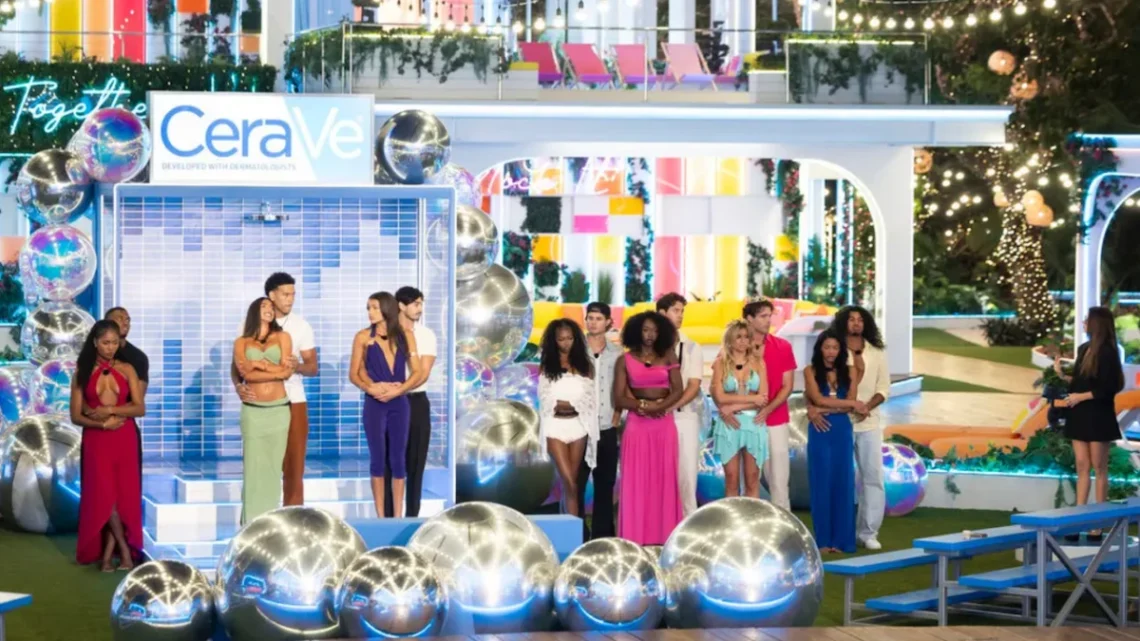
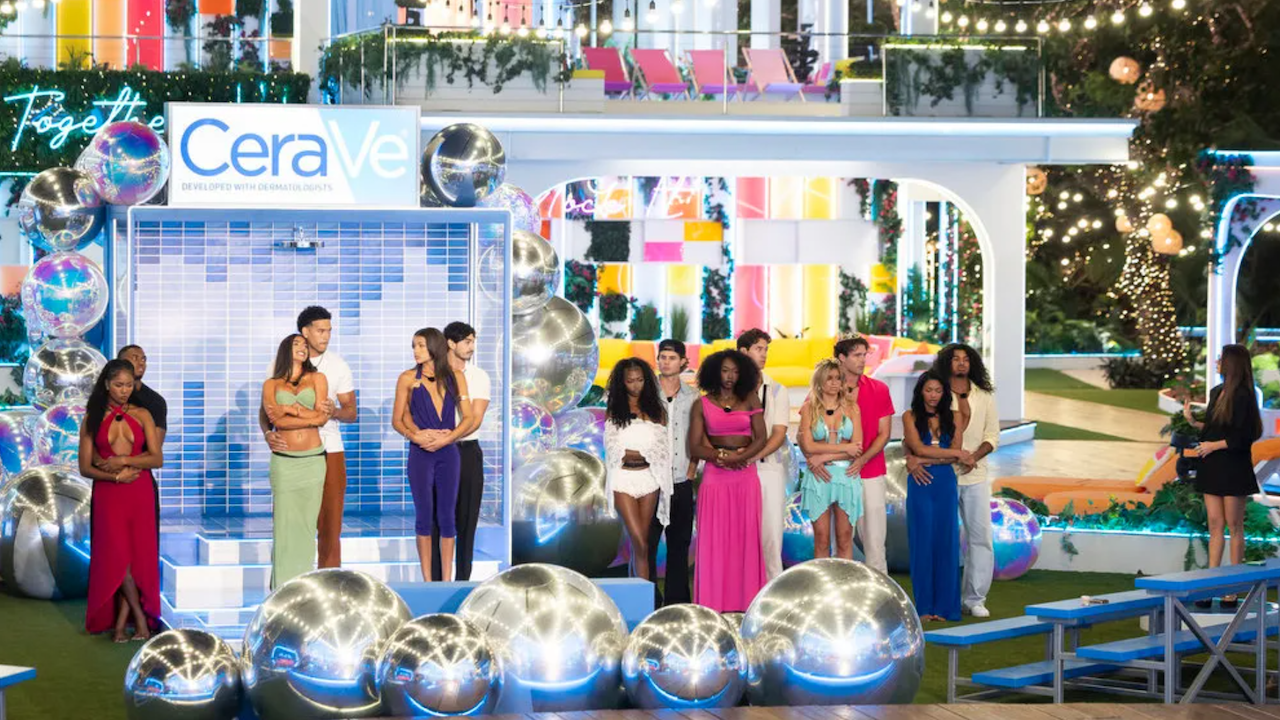
While some viewers have taken to forums to express frustration at the sheer volume of product placements—one Redditor famously noted, "Every challenge is somehow tied to a product"—the brands are undeterred. Six of the seven major integrated partners, including household names like CeraVe, Coffee-Mate, and Maybelline, have returned for another season.
The effectiveness of these partnerships is best reflected in the numbers provided by Poppi. Their Love Island-focused content generated more than 33 million impressions across owned social channels with a 16% engagement rate. Furthermore, creator content surrounding their specific campaign drove more than 212 million views. The integration also served as a lead-generation machine, attracting over 8,000 new email subscribers and 3,000 new SMS subscribers via weekly giveaways.
Official Perspectives on the Phenomenon
The executives behind these partnerships view the show as a masterclass in modern audience engagement.
"Returning partners came back because they saw the combination of scale, engagement, and impact that Love Island USA delivers," says Kimberly Francella-Faver, svp of brand partnerships at NBCUniversal. "The show has become a true cultural phenomenon because of the combination of everything that makes great entertainment: compelling storytelling, a passionate fan community, memorable talent, and moments that audiences want to discuss in real time."
Sophia Sesto, vp of culture at Poppi, echoes this sentiment, emphasizing that the brand’s success stems from listening to the audience rather than just talking at them. "The response was incredible and reinforced something we care deeply about: when you listen to your community and celebrate the moments they’re already creating, the connection is much stronger," Sesto explains. "Rather than treating Love Island as a standalone sponsorship, we used it as the centerpiece of our summer marketing strategy."
The "Appointment TV" Renaissance
The success of Love Island has not gone unnoticed by media analysts. Andrea Ogunbadejo, global head of production at VaynerX, believes the show fills a void left by the decline of traditional network television.
"The success of Love Island shows the current demand for ‘appointment TV’—TV that’s designed for people to watch together and discuss with their friends," Ogunbadejo notes. "It’s similar to how people gather for the World Cup. It permeates culture to the point where even people who don’t watch the show know exactly who the characters are and what the drama is."
This cultural permeability is what makes the show so attractive for experiential marketing. Advertisers are no longer just buying a 30-second spot; they are buying entry into a conversation. As Ogunbadejo suggests, the show provides "richness for in-person experiential opportunities," such as branded watch parties and live fan events, which can then be amplified and measured across digital ecosystems.
Implications for the Future of Advertising
What does the "Love Island-ification" of marketing mean for the future of the industry? Several key takeaways emerge:
1. The Death of the Passive Ad
Consumers have become adept at ignoring traditional commercials. In the Love Island model, the product is part of the show’s narrative. Whether it is Maybelline supplying the beauty products for a "Fairytale Ending" challenge or Poppi creating limited-edition cans for specific contestants, the product is now a character in the story.
2. The Rise of the "Community-First" Strategy
Brands are increasingly realizing that they cannot manufacture cultural moments. Instead, they must identify existing trends within a show’s fandom and accelerate them. By aligning with the "Amaya Papayas" of the world, brands gain credibility that a standard celebrity endorsement simply cannot buy.
3. Measuring "Total Cultural Impact"
The shift in metrics is profound. Advertisers are moving away from simple reach and frequency toward measuring sentiment, social media impressions, and direct-to-consumer data capture (like SMS and email signups). The goal is to create a closed loop where the TV screen drives the mobile experience.
4. Audience Intersection is Key
As Ogunbadejo points out, this strategy is not a "one size fits all" solution. It works for Love Island because the show’s demographic perfectly aligns with the target audiences of brands like Poppi, CeraVe, and Maybelline. Brands that attempt to force their way into high-engagement properties without a genuine audience intersection are likely to face viewer backlash.
Conclusion: The New Rules of Engagement
As Love Island USA wraps up its latest season, the blueprint for the future of television advertising is clearer than ever. The era of the "siloed" campaign is ending, replaced by a model that prioritizes integration, community participation, and real-time cultural relevance.
For brands, the message is clear: if you want to be part of the conversation, you have to be willing to enter the villa. As Sophia Sesto noted, the goal for modern brands is "to keep [the brand] at the center of culture by showing up in the moments consumers already care about." For now, there is no place where consumers care more—or talk louder—than on the beaches of Love Island.


