
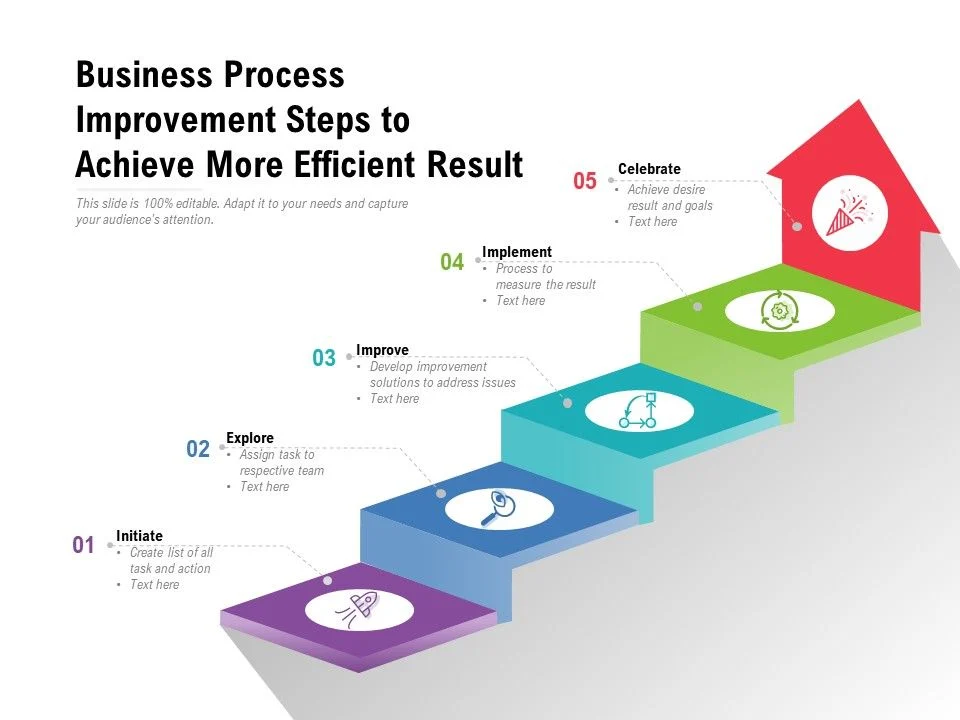
This guide is designed to be versatile. The principles apply across various fields, from writing and project management to crafting and design. The key is to adapt the steps to your specific context.
Before diving in, gather the necessary resources. Preparation is the cornerstone of success.
- A clear understanding of the desired outcome. What are you trying to achieve?
- A well-defined scope. What are the boundaries of your project?
- Necessary tools and materials (specific to your task).
- Time allocated for the process.
- A willingness to learn and adapt.
-
Define Your Goal Clearly: Start by articulating your objective. What exactly do you want to accomplish? Be specific and measurable. For example, instead of ‘write a report,’ define it as ‘write a 10-page report summarizing Q3 sales data, including charts and analysis.’ This clarity provides a roadmap.
-
Plan and Outline: Break down your goal into smaller, manageable tasks. Create a detailed plan or outline. This is crucial for complex projects. Identify the steps involved, the resources required for each, and the estimated time for completion.
-
Gather Resources: Collect all necessary tools, information, and materials. This may include research data, software, equipment, or reference documents. Having everything ready saves time and reduces frustration.
-
Set a Realistic Timeline: Estimate how long each task will take. Then, add a buffer for unexpected delays. A realistic timeline prevents burnout and keeps you on track. Consider using project management tools to visualize your schedule.
-
Prioritize Tasks: Identify the most critical tasks and focus on them first. Address high-priority items that have the biggest impact on your outcome. Use methods like the Eisenhower Matrix (urgent/important) to prioritize.
-
Execute with Precision: Follow your plan meticulously. Pay attention to detail and maintain focus. Stay organized and avoid distractions. Ensure each step is completed to the best of your ability.
-
Seek Feedback: Regularly seek feedback from others. Ask for constructive criticism. This helps identify areas for improvement. Be open to suggestions and willing to make revisions.
-
Review and Refine: After completing a task, review your work. Identify any errors or areas that need improvement. Make necessary adjustments. This iterative process is key to achieving high-quality results.
-
Document Your Process: Keep a record of your steps, decisions, and outcomes. This documentation can be invaluable for future projects and helps identify patterns of success or failure. It’s also helpful for accountability.
-
Use the Right Tools: Invest time in learning the tools relevant to your task. Whether it’s software, equipment, or specific techniques, proficiency enhances your efficiency and the quality of your output.
-
Manage Your Time Effectively: Use time management techniques, such as the Pomodoro Technique or time blocking, to stay focused and productive. Minimize distractions and dedicate specific blocks of time to your tasks.
-
Stay Organized: Maintain a clean and organized workspace (physical or digital). This reduces clutter and helps you stay focused. Use folders, labels, and clear naming conventions.
-
Be Consistent: Consistency is key to long-term success. Establish a routine and stick to it. Regular effort, even in small increments, yields better results than sporadic bursts of activity.
-
Embrace Iteration: Don’t be afraid to revise and refine your work. Iteration is a fundamental part of achieving professional results. Continuously improve and adapt based on feedback and your own assessment.
-
Learn from Mistakes: Mistakes are inevitable. View them as learning opportunities. Analyze what went wrong, identify areas for improvement, and adjust your approach accordingly.
-
Maintain Quality Control: Establish quality control measures. This might involve checklists, proofreading, or testing. Ensure your work meets the required standards.
-
Focus on the Details: Pay close attention to detail. Small errors can detract from the overall quality of your work. Proofread, check for accuracy, and ensure your final product is polished.
-
Stay Motivated: Set realistic goals and reward yourself for achieving them. Break down large tasks into smaller, more manageable steps to maintain momentum and stay motivated.
-
Adapt to Change: Be prepared to adapt to changing circumstances. Unexpected challenges may arise. Flexibility and adaptability are essential for achieving professional results.
-
Communicate Effectively: Clearly communicate your goals, progress, and any challenges to others involved. Effective communication prevents misunderstandings and ensures everyone is on the same page.
- Lack of Planning: Without a plan, you’ll likely wander aimlessly. Always create a detailed plan before starting.
- Poor Time Management: Procrastination and inefficient time management lead to rushed work and lower quality. Use time management techniques.
- Ignoring Feedback: Failing to incorporate feedback limits your ability to improve. Be open to criticism and make adjustments.
- Perfectionism: Striving for perfection can lead to procrastination and inaction. Aim for excellence, but don’t let perfectionism paralyze you.
- Lack of Organization: Disorganization wastes time and increases stress. Maintain a tidy workspace and use organizational tools.
By avoiding these pitfalls, you significantly increase your chances of success.
This guide provides a solid framework for achieving professional results. Implementing these steps consistently will undoubtedly elevate the quality of your work.
Remember, the journey to professional results is a continuous process of learning and refinement. Embrace the challenges, celebrate your successes, and keep striving for excellence.
Now, apply these steps to your next project and witness the transformation. You have the potential to achieve remarkable results. Start today!