
Understanding your skin type and the specific causes of your acne is the first step. Acne can be triggered by a variety of factors, including excess oil production, clogged pores, bacteria, and inflammation. This guide will help you address these issues with the right tools and techniques.
Remember: Consistency is key. Results take time, so patience and a regular skincare routine are crucial for success.
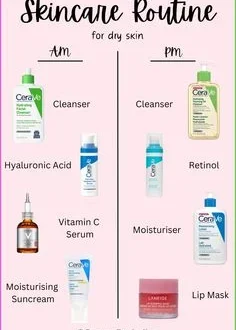
- Gentle Cleanser: A non-comedogenic cleanser suitable for acne-prone skin.
- Exfoliating Tool: Chemical exfoliants (like AHAs/BHAs) or a gentle physical exfoliator (e.g., a soft washcloth).
- Acne Treatment: Topical treatments containing ingredients like benzoyl peroxide, salicylic acid, or retinoids.
- Moisturizer: A lightweight, oil-free moisturizer.
- Sunscreen: Broad-spectrum sunscreen with an SPF of 30 or higher.
- Clean Towels: Fresh towels to pat your face dry.
- Cotton Pads/Swabs: For applying treatments.
- Mirror with good lighting: To assess your skin.
- Optional: Acne patches or spot treatments.
-
Cleanse Your Face Thoroughly: Start and end your day by washing your face with a gentle, non-comedogenic cleanser. Wet your face with lukewarm water, apply the cleanser using gentle circular motions, and rinse thoroughly. Avoid harsh scrubbing, which can irritate the skin.
-
Exfoliate Regularly: Exfoliation removes dead skin cells that can clog pores. Use a chemical exfoliant (like a serum containing AHA or BHA) 1-3 times a week, or gently exfoliate with a soft washcloth. Always follow the product instructions.
-
Apply Acne Treatment: After cleansing and exfoliating, apply your acne treatment. If using a spot treatment, apply it directly to the affected areas. If using a treatment over a larger area, apply a thin layer.
-
Moisturize: Even oily skin needs hydration. Apply a lightweight, oil-free moisturizer after your treatment to keep your skin hydrated and help prevent dryness.
-
Protect Your Skin with Sunscreen: Sunscreen is essential, especially when using acne treatments that can make your skin more sensitive to the sun. Apply a broad-spectrum sunscreen with an SPF of 30 or higher every morning, even on cloudy days.
-
Use Clean Towels: Always pat your face dry with a clean towel after cleansing. Avoid rubbing, which can irritate the skin. Use a fresh towel each time to prevent the spread of bacteria.
-
Avoid Touching Your Face: Throughout the day, try to avoid touching your face, as this can transfer dirt and bacteria that can contribute to breakouts.
-
Consider Acne Patches: For individual pimples, consider using acne patches. These can help to protect the pimple, absorb excess fluid, and promote healing.
-
Adjust Your Routine as Needed: Pay attention to how your skin reacts to the products and adjust your routine accordingly. If you experience excessive dryness or irritation, reduce the frequency of your treatments or consult a dermatologist.
-
Monitor for Improvement: Keep track of your progress. It may take several weeks or even months to see significant improvement. Don’t get discouraged if you don’t see results immediately.
Over-Exfoliation: Exfoliating too frequently can damage your skin barrier, leading to irritation and increased breakouts. Start slowly and gradually increase the frequency as tolerated.
Using Harsh Products: Avoid harsh cleansers, scrubs, and products containing alcohol, which can strip your skin of its natural oils and worsen acne.
Not Using Sunscreen: Sunscreen is crucial, as some acne treatments make your skin more sensitive to the sun. Failure to use sunscreen can lead to sunburn and increased inflammation.
Picking or Squeezing Pimples: Picking or squeezing pimples can worsen inflammation, spread bacteria, and lead to scarring. Avoid the temptation to pick at your skin.
Inconsistent Routine: Consistency is key to seeing results. Stick to your skincare routine as closely as possible, even when you don’t see immediate improvement.
Not Consulting a Dermatologist: If your acne is severe or doesn’t improve with over-the-counter treatments, consult a dermatologist. They can provide personalized advice and prescribe stronger medications.
Expecting Overnight Results: Acne treatment takes time. Be patient and consistent with your routine.
Using Expired Products: Always check the expiration dates of your products. Using expired products can be ineffective and even harmful.
Ignoring Diet and Lifestyle: While skincare is important, diet and lifestyle choices can also impact acne. Eat a healthy diet, stay hydrated, and manage stress.
Not Cleaning Your Tools: Regularly clean makeup brushes, applicators, and any tools that come into contact with your skin to prevent the spread of bacteria.
Taking care of acne-prone skin requires a dedicated approach, but with the right tools and consistent effort, you can achieve significant improvements. By following the steps outlined in this guide and being mindful of common pitfalls, you’ll be well on your way to a clearer, healthier complexion. Don’t be discouraged if you don’t see results immediately; consistency and patience are key. Embrace the journey and enjoy the process of taking care of your skin. You’ve got this!